

Why choose us
Benefits of Crowns
Protects Weakened Teeth
A crown covers and strengthens a tooth that is cracked, worn, or heavily filled so it can keep working for you.
Natural-Looking Results
We shape and shade each crown to blend in with your smile.
Comfortable Chewing Again
Restoring the tooth's shape helps you bite and chew with more confidence.
Care After Root Canals
We often place crowns on molars after root canal therapy to help protect the treated tooth.
Options for Anxious Patients
If dental visits make you nervous, we offer sedation dentistry to help you feel more at ease.
If you've cracked a back tooth on a popcorn kernel, or been told that an old filling has grown too large to hold together, you may be wondering what comes next. Very often the answer is a dental crown. At Vale Family Dental in Tempe, we use crowns to protect weakened teeth, restore comfortable chewing, and bring back a natural-looking smile for patients across Tempe, Scottsdale, Chandler, and Paradise Valley.
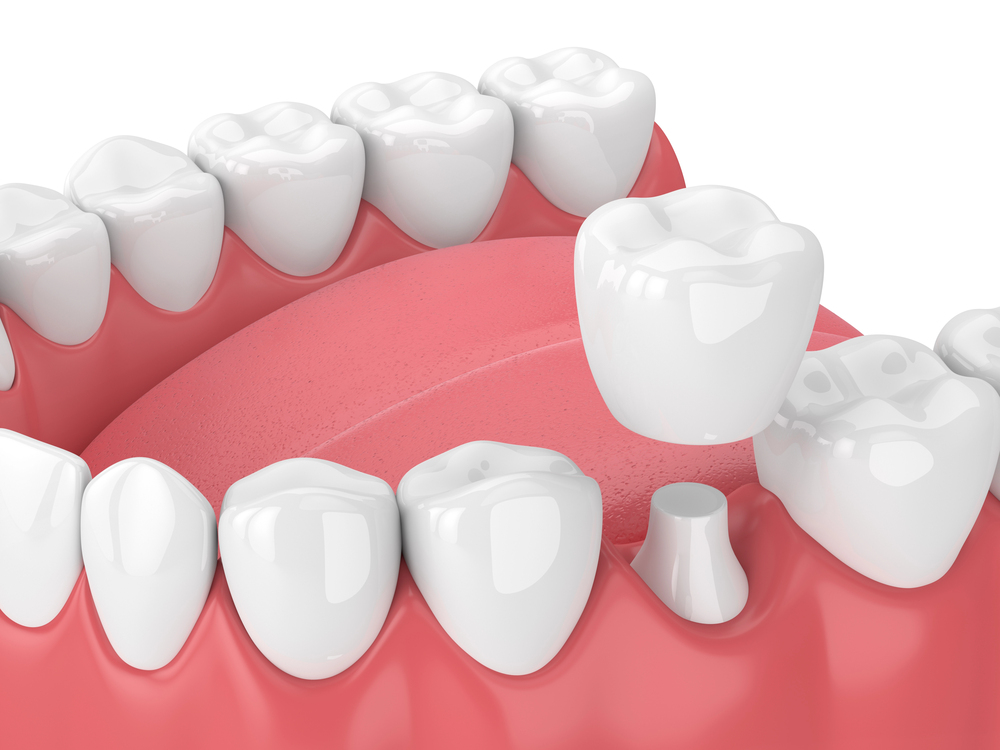
A dental crown is a custom-made cap that covers the entire visible portion of a tooth above the gumline. A filling replaces only a small section of lost structure. A crown wraps around the whole tooth, holding it together and shielding it from the everyday forces of biting and chewing. Once it's in place, a crown takes over the job of the tooth's outer surface so you can eat and smile with confidence again.
Crowns are one of the most versatile tools in restorative dentistry. We may recommend one on its own to save a damaged tooth, or as part of a larger plan. For example, a crown can top a dental implant to replace a missing tooth, or it can anchor a bridge that spans a gap. Because crowns serve so many purposes, Dr. Smith takes time to explain exactly why one is being suggested in your situation.
Patients come to us needing crowns for many different reasons. One of the most common is a tooth that has cracked or fractured, sometimes from biting something hard, sometimes from years of grinding. A crack can spread over time, and covering the tooth helps hold it together before the damage gets worse.
Another frequent situation involves teeth with large or failing fillings. When much of a tooth has been replaced with filling material, the remaining natural structure can become thin and fragile. A crown reinforces what's left. We also commonly place crowns after root canal therapy, especially on molars. These teeth do heavy chewing work and benefit from full coverage once treatment is complete.
Some reasons patients seek a crown include:
- Protecting a tooth that is cracked, chipped, or worn down
- Strengthening a tooth weakened by extensive decay or a large filling
- Covering a molar after root canal therapy
- Restoring a dental implant or supporting a bridge
- Improving the shape or appearance of a misshapen or discolored tooth
Crowns can serve cosmetic goals as well. If a tooth is noticeably out of proportion with its neighbors, a crown can create a more even, harmonious smile. During your visit, we'll also discuss whether options like composite bonding or porcelain veneers might fit your needs better.
What to Know Before Getting a Crown
The process begins with a thorough dental exam so we can understand the health of the tooth, the surrounding gums, and your bite. If there is active decay or gum disease, we'll address it first, because a crown works best on a healthy foundation. Sometimes we find that a tooth is too damaged to save. In those cases, we'll talk through tooth replacement options such as an implant, a bridge, or a partial denture.
We understand that dental work can feel stressful. If you experience dental anxiety, we offer oral sedation dentistry to help you feel more relaxed during treatment. And if a broken tooth catches you off guard, our practice emphasizes emergency dentistry, with dentists available 24/7. We can see you quickly, ease your discomfort, and plan your restoration.
Caring for Your Crown Over Time
A crown is not immune to problems. The tooth underneath can still develop decay along the edges where the crown meets the gumline. That's why daily brushing and flossing remain just as important after treatment as before. Paying special attention to that border area helps keep both the crown and the natural tooth healthy.
Regular cleanings and exams are your best ally. Our hygienist, Vickie, can clean carefully around your restoration, and Dr. Smith can check that the crown fits well and your bite feels right. If you grind or clench, or tend to chew ice or hard objects, let us know. These habits can wear on any restoration, and we can offer guidance to help protect your investment.
Understanding Costs and Coverage
We believe you should feel informed about your care before treatment begins. Before we place a crown, we'll review your treatment plan with you and answer questions about costs. We'll also help you understand how your dental insurance may apply. If you're weighing a crown against other options, we're happy to walk through the differences so you can choose what works for your health and your budget.
If a tooth has been bothering you, or you've been told you may need a crown, we'd love to help. Call Vale Family Dental to schedule a visit with Dr. Smith and our team. We'll take a close look, answer your questions with patience, and help you find a comfortable path back to a strong, healthy smile.
The process
What to expect
- 1
Exam and Consultation
Dr. Smith examines your tooth, explains your options, and answers your questions before we begin.
- 2
Preparing and Placing
We prepare the tooth and fit your crown so it feels comfortable and lines up with your bite.
- 3
Ongoing Care
Regular cleanings and exams with our hygiene team help keep your crown and the teeth around it healthy.