
Bridges in Ahwatukee
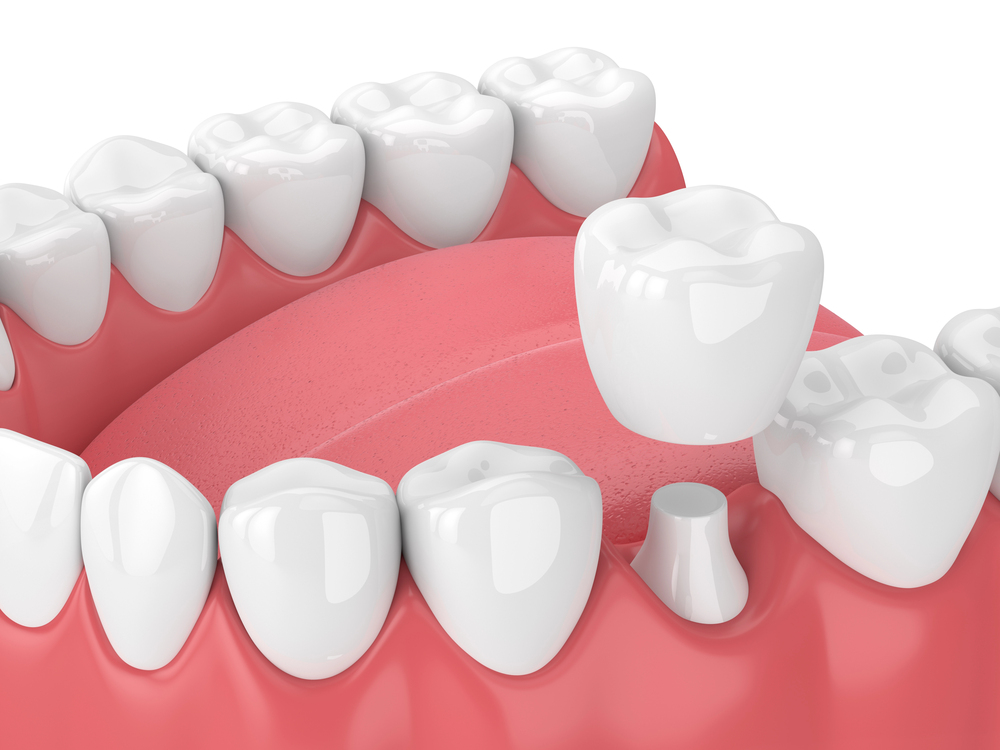
When a single tooth goes missing, the teeth on either side often begin to drift toward the gap, and chewing on that side can start to feel awkward or uneven. A dental bridge fills that space with a natural-looking replacement tooth anchored to the teeth around it. For patients in Ahwatukee, our office offers bridges alongside a full range of restorative care, so you can rebuild a complete, comfortable smile with a team that treats you like family.
A traditional bridge is a fixed restoration that "bridges" the gap left by one or more missing teeth. It typically consists of a replacement tooth, called a pontic, held in place by crowns that fit over the healthy teeth on each side of the space. Those supporting teeth are known as abutments. Because the bridge is fixed in place, you don't take it out at night the way you would with a removable partial denture.
Bridges suit a wide range of situations. A patient might have lost a molar to an old injury, had a tooth extracted after a root canal was no longer an option, or have a gap that has bothered them for years. In some cases, we may recommend an implant-supported bridge instead, which uses dental implants rather than natural teeth as anchors. We offer both, and we'll explain which approach fits your mouth best.
Many Ahwatukee families choose a bridge because it restores both function and appearance without a removable appliance. Once it's in place, a bridge lets you chew and speak with more confidence, and it helps keep neighboring teeth from shifting into the open space.
Here's what a well-planned bridge can help with:
- Filling a visible gap so your smile looks complete
- Restoring balanced chewing on both sides of your mouth
- Helping prevent nearby teeth from drifting out of position
- Supporting clearer speech when a missing tooth affects certain sounds
- Offering a fixed alternative to a removable partial denture
We also look at the bigger picture. If you're considering other changes, such as whitening, veneers, or a broader smile makeover, we can plan your bridge to match the shade and shape of the rest of your teeth.
Am I a good candidate for a dental bridge?
You may be a good candidate if you're missing one or more teeth in a row and have healthy teeth or adequate support on either side of the gap. During your exam, Dr. Ennsen Murao and our team check the strength of the potential abutment teeth and the health of your gums before recommending a bridge.
Gum health matters because a bridge needs a stable foundation. If we find signs of gum disease, we can address it first with treatments like scaling and root planing, then move forward with your restoration. If the neighboring teeth aren't strong enough to support a traditional bridge, an implant-supported bridge, a partial denture, or a single implant may be a better fit, and we'll walk you through each option honestly.
What happens during the bridge process?
The process usually takes more than one visit, starting with an exam and X-rays to evaluate the area. Once we agree on a plan, we prepare the abutment teeth by reshaping them slightly so the crowns can fit securely over them. We then take impressions so your bridge can be made to fit your bite precisely.
While your permanent bridge is being made, we place a temporary bridge to protect the prepared teeth and fill the gap. At your next visit, we remove the temporary, check the fit and color of the final bridge, make any adjustments, and secure it in place. If dental visits make you anxious, we offer nitrous oxide and oral sedation to help you feel more relaxed.
How do I care for my bridge afterward?
Care for your bridge much like your natural teeth, with daily brushing, flossing, and regular checkups. The key difference is cleaning underneath the pontic, where food and plaque can collect. Floss threaders or other cleaning aids help you reach that space, and our hygienist can show you techniques during your visit.
Keeping the abutment teeth healthy is essential, since they hold the bridge in place. Regular cleanings and exams let us monitor the bridge, the supporting teeth, and your gums. If you grind your teeth at night, we may suggest a night guard to help protect your restoration.
How can I pay for a dental bridge?
We accept all major PPO insurance plans, and many plans include some coverage for restorative care like bridges. Our team can help you understand your benefits before treatment begins.
We also welcome self-pay patients and offer financing through Sunbit, which can make it easier to spread out the cost of your care. If you live in Ahwatukee and are ready to close the gap in your smile, contact our office to schedule a consultation and discuss which tooth replacement option is right for you.